Days in Dulac
Life has blessed me with many opportunities over the years to be allowed to
work alongside people living in horrendous conditions. I’ve trudged through
slums in Nairobi, populated by millions of human beings, with raw sewage
running between cardboard shanty homes. I’ve driven through Detroit, for mile
after hopeless mile, realizing the destruction and deterioration there simply
cannot be fixed. I’ve traveled for hours on Interstate 10 from Baton Rouge to
Mobile on the Gulf Coast, stunned at the five-plus mile swath of destruction that
Katrina and Rita left behind, wondering how it can all ever be rebuilt, yet
astonished and how much progress has taken place already.
While the traveling to and working in these places have touched me in various
ways, rarely have I had such a life-altering experience than the one that I shared
in Dulac, Louisiana last October. I’ve pondered hours wondering why this
particular area has so affected me. Despite its multiple hurricane hits (Katrina,
Rita, Gustav, Ike), Dulac will never make the headlines—it’s nearly an hour from
an airport, and journalists simply won’t go any farther than they must in order to
find a storm story. Yet the destruction here is more pervasive than that in New
Orleans, and the rebuilding here lags well behind the casino-fueled recovery in
the beach towns of the Gulf Coast.
Wikipedia http://en.wikipedia.org/wiki/Dulac,_Louisiana yields some appalling
data about Dulac. The household median income is $22,000 annually, which
appears to come mostly from the shrimping industry. If you don’t work on a
shrimp boat, there are a few jobs at the local shrimp processing facility. And
there are always nets to repair and propellers to fix. But shrimping is not a high-
margin, secure industry. Bad weather means no shrimp, and therefore no jobs.
How does anyone live on that income? How does a community like Dulac better
itself economically? Education doesn’t seem to be the answer, as the schools
have a very poor rating, http://www.greatschools.net/school/rating.page?
id=1819&state=LA and there are currently discussions about closing the existing
elementary school http://www.houmatoday.
com/article/20090205/ARTICLES/902059919/1211 due to repeated closings and
flooding during hurricanes.
Dulac is approximately 3’ about sea level, according to Wikipedia. While we
inspected homes in need of repair, the land didn’t seem nearly that high.
During perfectly calm days, water laps canal shores less than ten feet from many
homes. Checking out Mapquest http://www.mapquest.com/maps?
city=Dulac&state=LA , Dulac apprears to be more “in” the Gulf of Mexico than
"near". Given all the canals that have been excavated throughout southern
Louisiana, that becomes truer each day as what used to be cypress forests has
become swamp and grass, which are no barrier at all to the Gulf of Mexico’s
storm furies.
Perhaps it's an awareness of the repeated hurricanes the inhabitants of this
area have been through over the past three-plus years. USA Today described it
best in a January 5 article about nearby Ile de Jean Charles. The article could
just as easily have been about Dulac. One day this village will no longer exist,
as the water slowly erodes the land into non-existence. It’s very easy to sit in
our comfortable suburban home and say “well, they should move!” But to where
would they move? Nearby New Orleans? It’s still riddled with destruction
itself. Baton Rouge? What would the people who have lived in Dulac all their
lives do to earn a living there?
Dulac is unique in its strong Native American population. Here is another case
in which, over the course of history, Native Americans were forced onto
unusable land and are now paying the price.
I think the most touching quality of the people of Dulac is their lack of bitterness
and anger. As we assessed the damage and repairs required in each home,
there was no bitterness or resentment at the hurricanes, insurance companies,
or FEMA. The only time I heard sadness or frustration was when someone
described what their neighbors has endured. “They lost everything” became a
phrase we heard repeatedly, but never once did we hear “We lost everything.”
The people of Dulac have seemingly accepted the way each storm can change
their lives forever. While there's no bitterness, I didn't sense a spirit of hope
either, and perhaps that's why the experience was so affecting. There’s a
gentleness, kindness, and openness among these locals that I’ve rarely
encountered as a defining characteristic of a location.
Answers? None here. What the people of Dulac “need” is a thriving economy, a
commitment to education so the next generation can create its own solutions
and expectations, and decent, storm-proof housing. They need to feel that the
world knows about them, and most of all, they need hope.
Photos are post-Gustav and Ike (October 2008).
Life has blessed me with many opportunities over the years to be allowed to
work alongside people living in horrendous conditions. I’ve trudged through
slums in Nairobi, populated by millions of human beings, with raw sewage
running between cardboard shanty homes. I’ve driven through Detroit, for mile
after hopeless mile, realizing the destruction and deterioration there simply
cannot be fixed. I’ve traveled for hours on Interstate 10 from Baton Rouge to
Mobile on the Gulf Coast, stunned at the five-plus mile swath of destruction that
Katrina and Rita left behind, wondering how it can all ever be rebuilt, yet
astonished and how much progress has taken place already.
While the traveling to and working in these places have touched me in various
ways, rarely have I had such a life-altering experience than the one that I shared
in Dulac, Louisiana last October. I’ve pondered hours wondering why this
particular area has so affected me. Despite its multiple hurricane hits (Katrina,
Rita, Gustav, Ike), Dulac will never make the headlines—it’s nearly an hour from
an airport, and journalists simply won’t go any farther than they must in order to
find a storm story. Yet the destruction here is more pervasive than that in New
Orleans, and the rebuilding here lags well behind the casino-fueled recovery in
the beach towns of the Gulf Coast.
Wikipedia http://en.wikipedia.org/wiki/Dulac,_Louisiana yields some appalling
data about Dulac. The household median income is $22,000 annually, which
appears to come mostly from the shrimping industry. If you don’t work on a
shrimp boat, there are a few jobs at the local shrimp processing facility. And
there are always nets to repair and propellers to fix. But shrimping is not a high-
margin, secure industry. Bad weather means no shrimp, and therefore no jobs.
How does anyone live on that income? How does a community like Dulac better
itself economically? Education doesn’t seem to be the answer, as the schools
have a very poor rating, http://www.greatschools.net/school/rating.page?
id=1819&state=LA and there are currently discussions about closing the existing
elementary school http://www.houmatoday.
com/article/20090205/ARTICLES/902059919/1211 due to repeated closings and
flooding during hurricanes.
Dulac is approximately 3’ about sea level, according to Wikipedia. While we
inspected homes in need of repair, the land didn’t seem nearly that high.
During perfectly calm days, water laps canal shores less than ten feet from many
homes. Checking out Mapquest http://www.mapquest.com/maps?
city=Dulac&state=LA , Dulac apprears to be more “in” the Gulf of Mexico than
"near". Given all the canals that have been excavated throughout southern
Louisiana, that becomes truer each day as what used to be cypress forests has
become swamp and grass, which are no barrier at all to the Gulf of Mexico’s
storm furies.
Perhaps it's an awareness of the repeated hurricanes the inhabitants of this
area have been through over the past three-plus years. USA Today described it
best in a January 5 article about nearby Ile de Jean Charles. The article could
just as easily have been about Dulac. One day this village will no longer exist,
as the water slowly erodes the land into non-existence. It’s very easy to sit in
our comfortable suburban home and say “well, they should move!” But to where
would they move? Nearby New Orleans? It’s still riddled with destruction
itself. Baton Rouge? What would the people who have lived in Dulac all their
lives do to earn a living there?
Dulac is unique in its strong Native American population. Here is another case
in which, over the course of history, Native Americans were forced onto
unusable land and are now paying the price.
I think the most touching quality of the people of Dulac is their lack of bitterness
and anger. As we assessed the damage and repairs required in each home,
there was no bitterness or resentment at the hurricanes, insurance companies,
or FEMA. The only time I heard sadness or frustration was when someone
described what their neighbors has endured. “They lost everything” became a
phrase we heard repeatedly, but never once did we hear “We lost everything.”
The people of Dulac have seemingly accepted the way each storm can change
their lives forever. While there's no bitterness, I didn't sense a spirit of hope
either, and perhaps that's why the experience was so affecting. There’s a
gentleness, kindness, and openness among these locals that I’ve rarely
encountered as a defining characteristic of a location.
Answers? None here. What the people of Dulac “need” is a thriving economy, a
commitment to education so the next generation can create its own solutions
and expectations, and decent, storm-proof housing. They need to feel that the
world knows about them, and most of all, they need hope.
Photos are post-Gustav and Ike (October 2008).
 |
| |
 |
| |
 |
| |
 |
| |
 |
| |
 |
| |
 |
| |
 |
| |
 |
| |
 |
| |
 |
| Errol crafts lobster traps and boat models with the skill and precision of a jeweler. |

| This paged updated February 2009. Copyright 2009 Charlene Stevenson. |
Hurricane Recovery - Dulac, LA
| Trees on homes |
| These volunteers worked long hours getting this home put back together so this homeowner wouldn't lose her children |
| Photos from Dulac |
| Be the change that you want to see in the world. |
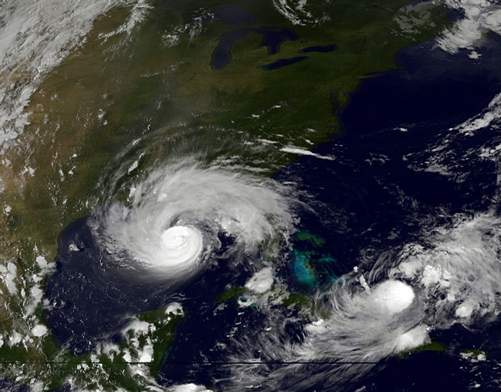
Gustav made
landfall at
Cocodrie, LA, a
mere 14 miles
from Dulac.
landfall at
Cocodrie, LA, a
mere 14 miles
from Dulac.
| This unrepaired damage occurred during the 2005 hurricanes |
| Three inches of gulf sludge left behind on everything |
| Left behind by the storm surge |
| So much work still to be done |